
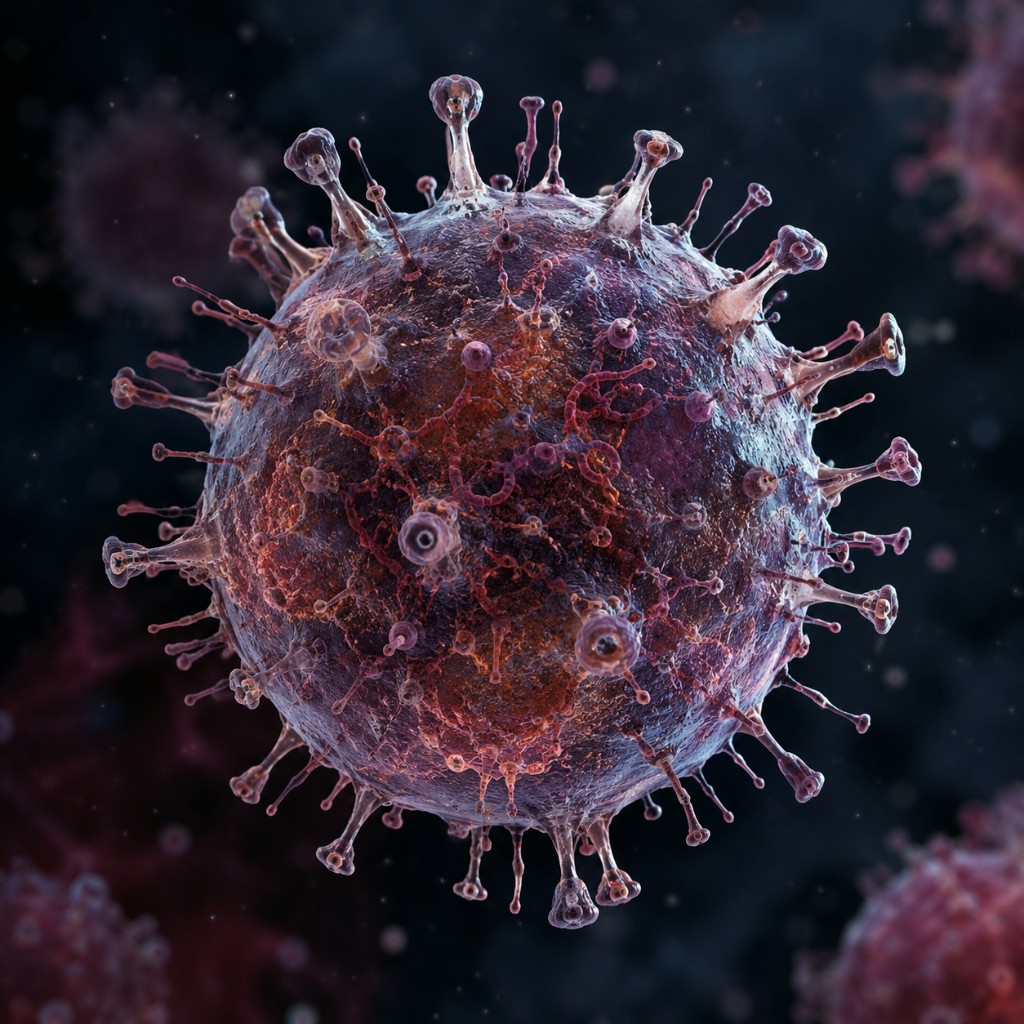
MANCHESTER — Health authorities have confirmed seven deaths and 214 infections from a previously unidentified respiratory virus, as officials warned that the pathogen is proving both more transmissible and more deadly than first feared.
The virus, provisionally designated the 'Wensum Virus' after the River Wensum in Norfolk where initial environmental samples were taken, has killed seven patients in the past week, six of them adults with no documented underlying conditions — a detail that has alarmed clinicians. Of the 214 confirmed cases, 38 remain hospitalised and 14 are now in critical condition.
This is a serious and dangerous situation, and we are not going to downplay it. We are seeing rapid progression in some patients, and we are urging people to take the guidance seriously.
— Dr. Susan Hopkins, Chief Medical Advisor, UK Health Security Agency
A faster, sharper illness
Clinicians describe the Wensum Virus as moving with unusual speed. Patients typically present with high fever and respiratory distress within days of exposure, and in the most severe cases lung function has deteriorated sharply over a matter of hours. The estimated case-fatality rate now stands at roughly three percent — far higher than seasonal influenza — though officials caution that the true figure may shift as testing widens.
What concerns us is how quickly some otherwise healthy people are becoming critically ill. We are not used to seeing this.
— Intensive-care consultant, Manchester Royal Infirmary
Containment under strain
Contact tracing teams have been deployed across the affected regions, and four hospitals have now opened dedicated isolation wards, some operating near capacity. The UK Health Security Agency has advised residents in affected areas to avoid non-essential indoor gatherings, wear masks in crowded settings, and seek urgent care if breathing becomes difficult.
Several towns have reported shortages of masks and sanitiser, and a number of schools have closed temporarily as a precaution.
Public anxiety grows
The mood in affected communities has shifted noticeably over the past week. Pharmacy queues have lengthened, and local officials report a rise in calls to health helplines.
A week ago people were a bit worried. Now they're frightened. We just want clear information.
— Community leader, Salford
The road ahead
Researchers are racing to finalise a reliable diagnostic test and have begun preliminary work toward a vaccine, though officials warned that any treatment breakthrough remains months away at best. The UK Health Security Agency said it would convene an emergency scientific advisory panel and issue twice-daily updates.
Authorities stressed that the public should rely only on verified official sources and avoid sharing unconfirmed information.